


From the Steppes of Beshkent to the Heart of Washington: How Ganisher Karshiev is Mastering the Complexity of Global Supply Chains

In the modern world, success is often measured by flashy results and high-sounding titles. However, the roots of true success often lie in unexpected defeats, hard work in remote areas, and a steadfast commitment to personal principles. Today’s hero, Ganisher Karshiev, embodies this journey—from the small town of Beshkent in Kashkadarya to becoming a new-generation manager capable of finding strategic solutions to systemic problems.
A graduate of the University of World Economy and Diplomacy (UWED) and currently pursuing advanced studies in the United States, Ganisher combines engineering precision with economic analysis. His career spans from the Ministry of Innovative Development of Uzbekistan to managing logistics efficiency at "Paxlavon Trans" LLC.
We sat down with Ganisher to discuss his transition from international relations to the high-stakes world of supply chain management, and how his Uzbek roots continue to shape his professional philosophy in Washington.
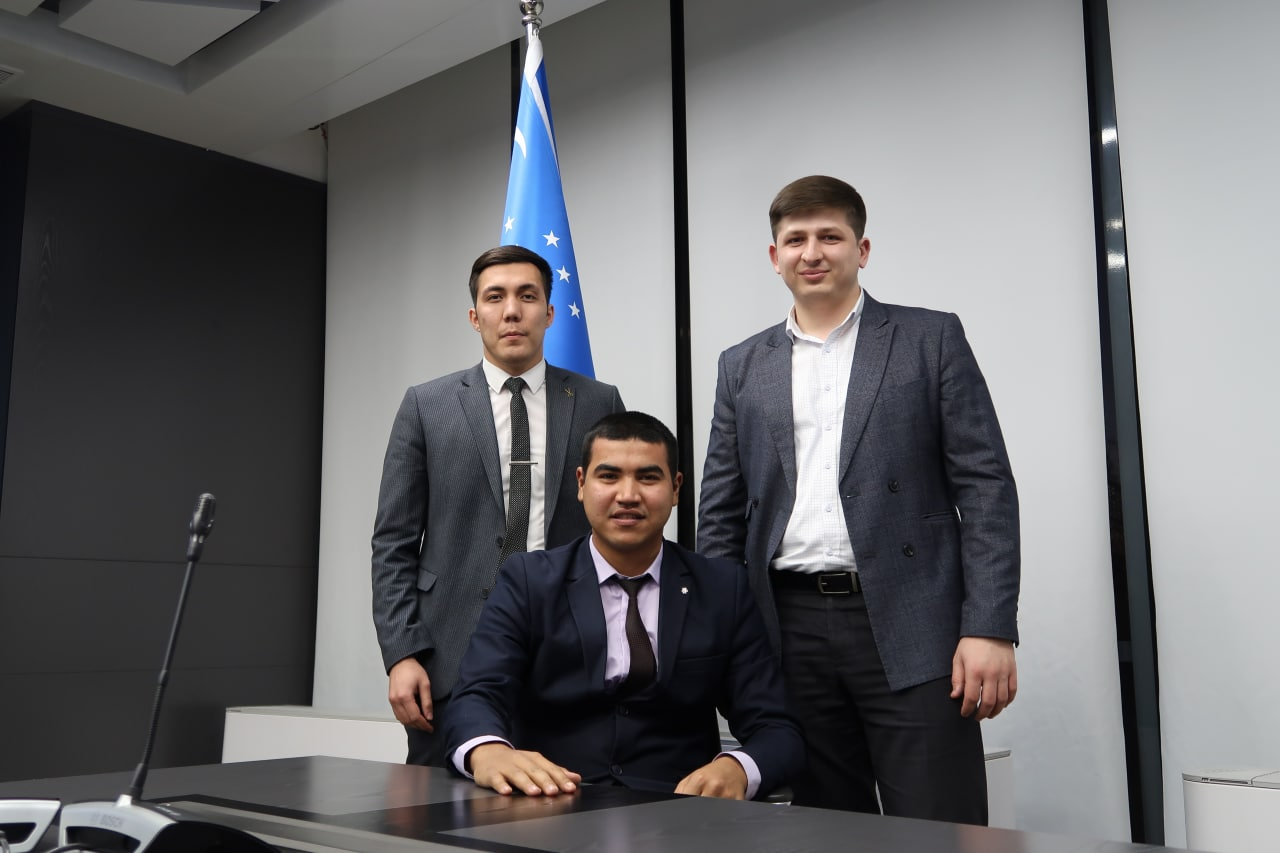
The Interview
Your journey began in Beshkent. Looking back, which childhood experiences most significantly shaped the path you are on today?
Ganisher Karshiev: I grew up in a hardworking, well-to-do family. As the eldest child and grandson, a great deal of responsibility was placed on my shoulders from a very young age. This responsibility shaped not only my character but also my worldview. I was literate by age five and started school at six.
Beyond academics, sports served as my "school of character." I participated in football, chess, swimming, and boxing. While boxing taught me to endure blows and maintain focus under pressure, chess developed my ability to think several moves ahead. Above all, my father’s advice became my life’s motto: "Whatever you do, do it from the heart, not just for the sake of doing it; the rest will follow."
Every leader faces a moment of crisis. What was the most important "turning point" in your life, and how did it change you?
Ganisher Karshiev: My turning point was in 2016 when I failed the entrance exams for the State University of Oriental Studies. At the time, I felt everything should come easily, but that failure was a wake-up call. It forced me to look at my life and my real capabilities with total honesty.
That defeat drove me to work harder than ever. Just a year later, in 2017, I was accepted into the University of World Economy and Diplomacy (UWED) with very high scores—a far more prestigious and difficult institution to enter. It taught me that failure isn't the end; it’s an invitation to refine your strategy.
During your student years at UWED, you were known for more than just your grades. How did you distinguish yourself in terms of leadership?
Ganisher Karshiev: I was extremely industrious. During my four years of undergraduate study, I managed to learn Russian, English, and Spanish. My leadership style was always focused on results. As the President of the Student Union, I focused on bridging the gap between the administration and the students, successfully resolving 85% of student issues.
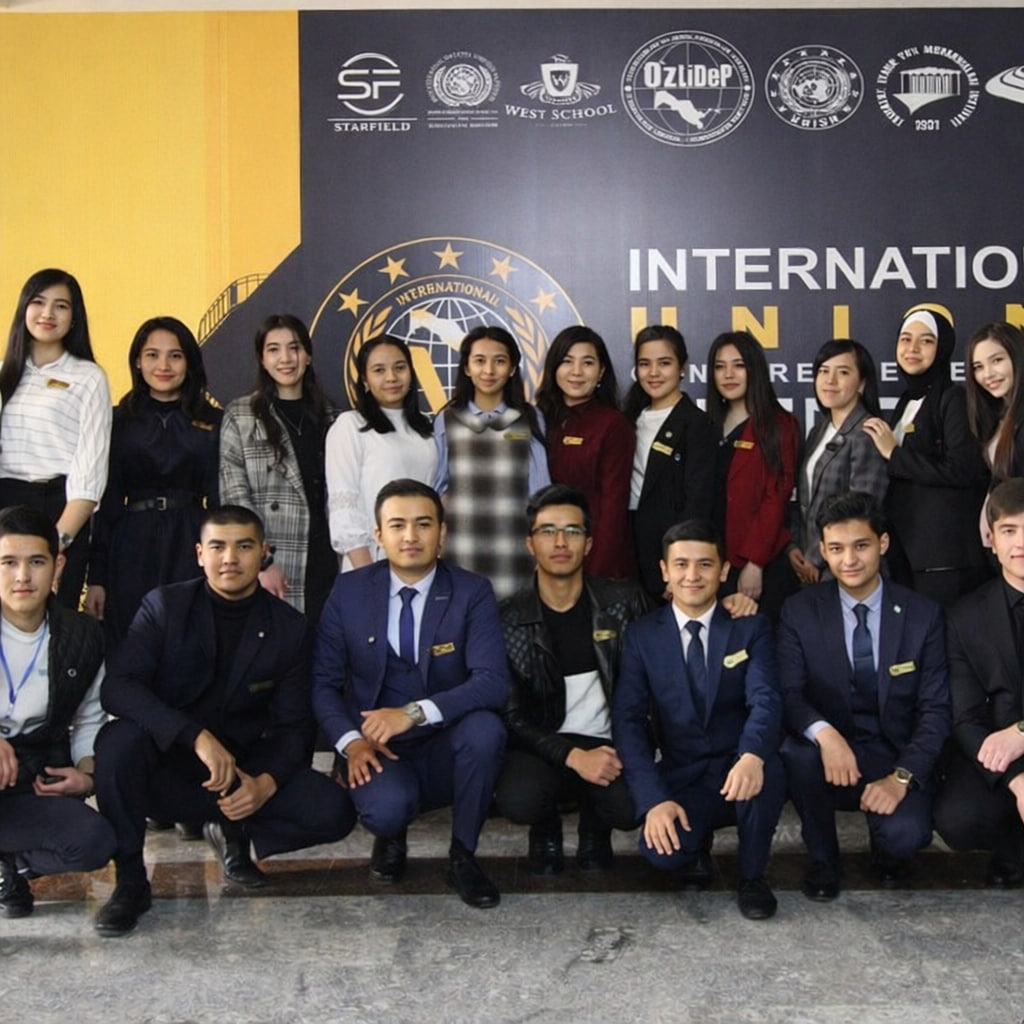
I also served as the President of the Modern Youth Conference, which attracted participants from Russia, Belarus, Kazakhstan, and even Ethiopia. Because I held a high IELTS score (7.5), I worked as an English teacher at several centers in Tashkent while studying. By 2020, I was honored with the "Best Student" award and the Dean’s Scholarship.
Let’s talk about real-world impact. Which of your projects resulted in the most significant measurable success?
Ganisher Karshiev: I would highlight two different phases. At "Paxlavon Trans" LLC, I utilized individual training and strategic process optimization to increase operational efficiency by 180% and grow the budget by 185%. I managed a departmental budget of over $200,000 and reduced expenses by 25% through better forecasting and negotiations.
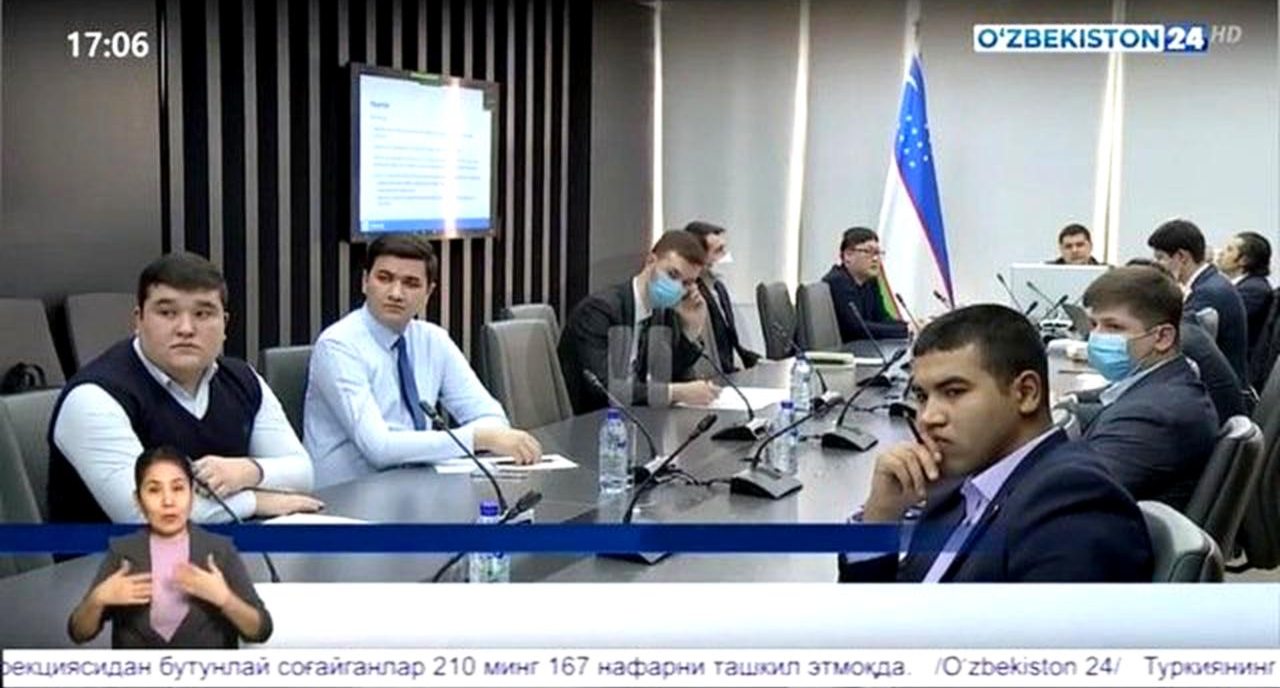
Later, at the Ministry of Innovative Development, I spearheaded an entrepreneurship competition that awarded $600,000 in financing to winners within just six months. I also played a key role in securing a £330,000 innovation agreement with the UK regarding cotton selection. These weren't just "events"; they were initiatives that created real economic value.
Why Logistics and Supply Chain? What specific problems in this sector drew you in?
Ganisher Karshiev: Logistics is the "circulatory system" of the economy. I was drawn to the Supply Chain because it is a more resilient and predictable market compared to the volatility of the stock market. In the stock market, value can disappear overnight, but in logistics, you can see the signs of market shifts early and adapt.
I saw systemic issues—lack of transparency and frequent disruptions. My background in mechanical repair from Beshkent Agricultural College gave me a foundational understanding of how every detail in a mechanism must work together. I applied that same logic to supply chains: if one part fails, the whole system stalls.
You have spent significant time in the US recently, including studies at Georgetown and the University of New Haven. How has this international experience changed your mindset?
Ganisher Karshiev: It reinforced three core truths: first, your education and growth are ultimately your own responsibility. Second, if you seek knowledge, do it for yourself, not for the title. And third, "there is great blessing in honesty" (Halollikda baraka katta). Being surrounded by peers who are aiming for Nobel Prizes or attending Stanford keeps me motivated to never stop moving forward.

What is the primary "mindset" or principle that defines Ganisher Karshiev as a professional?
Ganisher Karshiev: I call it "Realistic Optimism." I am also a heavy risk-taker, but I follow a specific "46% principle." If I am at least 46% confident in the success of a venture, I go all in. If it’s 45%, I don’t touch it. Once I commit, I stand by my decision until the end.
Out of all your professional achievements, which project holds the most personal significance for you?
Ganisher Karshiev: My time at the Ministry of Innovative Development was a "trampoline" for my career. I was surrounded by experts who were, at the time, much stronger than me. That environment of high pressure and high intellect forced me to evolve. Establishing youth innovation centers across Uzbekistan and business hubs in nearly 30 universities was personally rewarding because it closed the gap between theory and practice for the next generation.
If you were tasked with optimizing the entire logistics system of a country, what would be your first three decisions?
Ganisher Karshiev: 1. Transparency in Dispatching: I would implement high levels of digital transparency in dispatching services to eliminate inefficiencies. 2. Privatization of Oversight: I would gradually transfer safety and technical control functions from the state to the private sector to reduce corruption and increase market efficiency. 3. Rigorous Vetting: I would move away from simplistic methods of vetting transport companies, focusing instead on deep historical data to prevent the disputes that currently plague the industry.
If you could start your journey over, what would you do differently?
Ganisher Karshiev: Honestly, almost nothing. I might have waited a bit longer to get married, but regarding my career, I would choose the same path. I would only hope to draw conclusions from my mistakes faster and take even more risks.
Ganisher Karshiev’s story is a testament to the power of "doing it from the heart." Whether he is managing a $200,000 budget or designing national innovation policies, his reliance on the philosophy—balancing "work with the hands and the heart with the Creator"—provides a unique stability in the fast-paced world of global logistics. As he continues his work, there is no doubt that his innovative approach will help elevate Uzbekistan’s supply chain potential to a global level.
Article author: Iroda Farhodova
.png "YouTube UZREPORT TV")


