



Republican Emergency Medical Center "103" to be created in Uzbekistan
Republican Emergency Medical Center "103" to be created in Uzbekistan
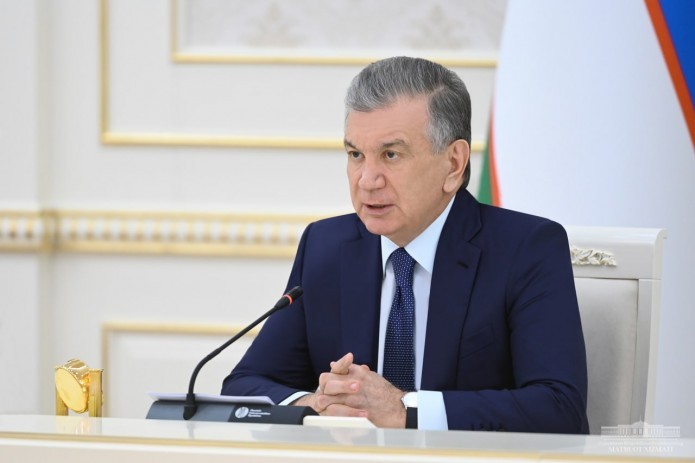
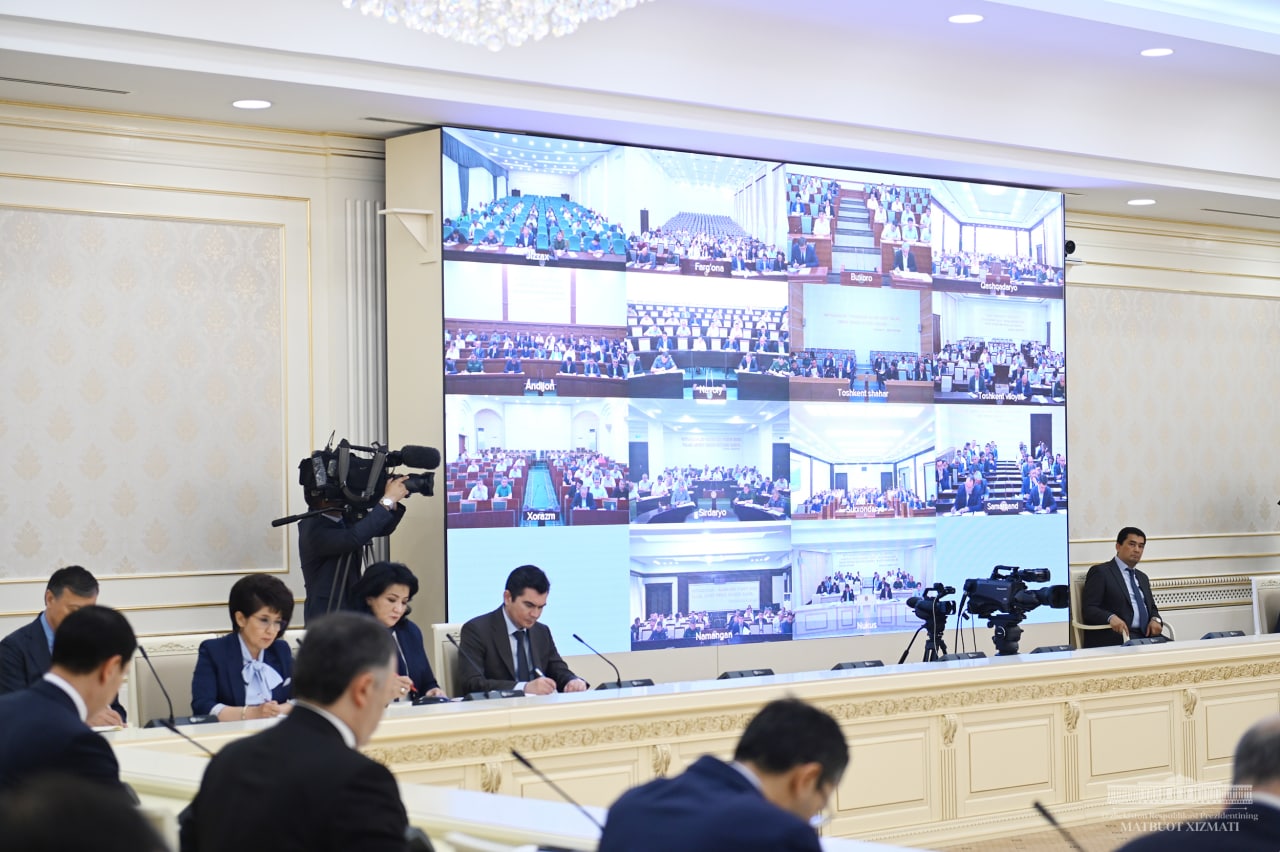
Under the chairmanship of President Shavkat Mirziyoyev, a video conference dedicated to improving the activities of the ambulance and emergency medical services was held on May 5.
 Special attention was paid to strengthening the emergency assistance system on the ground. 21 interdistrict centers for combined injuries and acute vascular diseases have been established in the regions. As a result, residents of districts and cities began to contact regional centers less.
Last year, more than 50 thousand complaints were received about the arrival of ambulance crews late. One of the reasons for this is the lack of unified service management. In particular, the issues of hiring in the ambulance system, providing medicines, transport, fuel, and coordinating the work of drivers are the responsibility of different departments. Due to such confusion in management, the provision of emergency medical care is limited to the territory of the district. The ambulance station, although it borders the neighboring district, does not accept calls from there.
Many ambulances do not have navigation systems, 10 thousand streets have not yet been named, and about 500 thousand houses are not numbered. Emergency assistance to the patient is not provided in the nearest medical institution, but only in a few pre-assigned hospitals. This order was named at the meeting as the main problem of the sphere.
In this regard, a separate program was developed to improve the system of emergency and emergency medical care.
The meeting identified tasks for the practical implementation of the program. In particular, from July 1 of this year, the Republican Emergency Medical Center "103" and its regional branches with a single management vertical will be created. As a result, emergency medical care, based on the experience of Tashkent, will henceforth be provided not within one district, but throughout the region.
District dispatching services for receiving calls will be abolished, unified call centers will appear in the regions. Along with the operators, a separate medical consulting team will work in the call center.
Private clinics with an ambulance service can also connect to regional call centers. This practice will first be implemented in the Syrdarya region through the Medical Insurance Fund, then, in stages, in all regions.
It was noted that in 2022-2025, all obsolete ambulances will be replaced by modern cars, as a result of which the arrival time of teams will be reduced by 3 times.
To date, there are 2,695 emergency medical teams. There are not enough doctors in 500 of them, and in general, more than 6 thousand doctors work part-time in the field.
According to international experience, doctors do not have to go on a call in all cases. In this regard, a sorting system will be introduced depending on the complexity, relevance, and type of calls. The ambulance team today includes a doctor, a paramedic, and a driver. As foreign experience shows, an ambulance paramedic is also a driver at the same time. Therefore, from the new academic year, young people studying to be paramedics will be taught driving. To do this, driving schools will be assigned to medical colleges.
At the same time, a system will be created to reward emergency medical workers based on an assessment of their work with patients. At the end of each quarter, team members whose work is highly appreciated by patients will be awarded 50 percent of their salary. The number of calls per thousand people in our country is 352. This is 6-7 times more than in developed countries. Due to the lack of basic medical services in villages and mahallas, the population turns to the ambulance service.
In this regard, instructions have been given for the establishment of medical centers in mahallas.
Attention is paid to the training and retraining of emergency medical personnel. To this end, the Republican Training and Practical Center for Emergency Medical Care under the Ministry of Health will be transferred to the Republican Center for Emergency Medical Care and reorganized into a School for Advanced Training of Employees. Specialists from countries with a developed ambulance system, such as Turkey, Korea and France, will be involved.
It is indicated that there is a need to expand the coverage of emergency medical care at the district level.
To do this, first of all, in all district and city hospitals, duplicate planned and emergency departments in the areas of therapy, pediatrics and surgery will be unified. Round-the-clock emergency reception rooms will be organized in them.
At the meeting, the mayors of regions, districts, and cities were instructed to adopt and organize the implementation of their regional programs for the development of emergency and emergency medical care.
.png "YouTube UZREPORT TV")